
Best Time to Visit the Azores
Everything you need to know about the weather, seasons, crowds and the best time to visit the Azores based on your travel style.
 Written by Fabio Filipe · Azores Unlocked
Not Sure Where to Start in São Miguel? Get My Free 3-Day Plan
Discover waterfalls, volcanic lakes, natural hot springs and authentic local experiences with a real 3-day plan for São Miguel, built by someone who grew up on the islands, not a generic list from a travel blog.
- ✓Top viewpoints and scenic drives, including ones most travelers miss.
- ✓Where locals actually eat, not just the obvious tourist spots.
- ✓A custom Google Map with every stop already plotted.
- ✓100% free. No commitment required.
Sent to your inbox within minutes. No spam, unsubscribe anytime.
Let's Get Started
The best time to visit the Azores really depends on your needs and travel style. In summer, the weather and water temperatures tend to be warmer, and the number of available activities is higher too, however, you’ll naturally face bigger crowds and higher costs for accommodation, flights, and so on.
Traveling outside the high season (anything beyond June – September) means less movement and lower prices, though the weather can be slightly to noticeably different compared to the summer months. That said, it doesn’t mean this time of year should be overlooked, quite the contrary, the benefits of traveling outside the high season are immense.
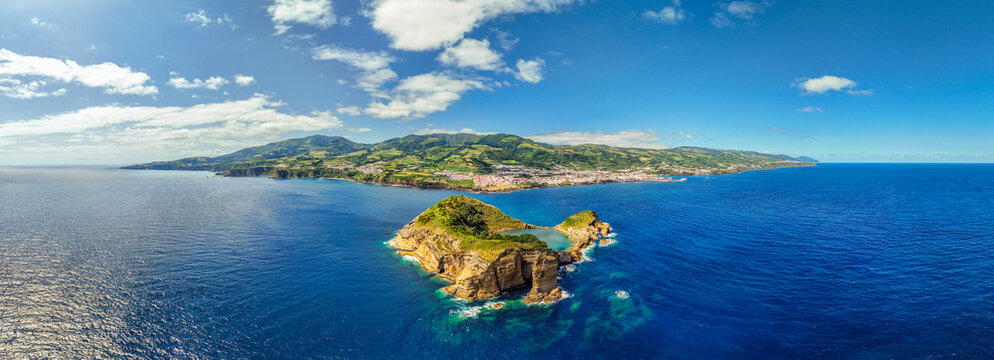
When is the best time to travel to the Azores?
This answer will vary from person to person, however, personally I always recommend exploring the Azores islands in the off season, from September through to April, for multiple reasons, from the authentic experience to the availability of quality accommodation and experiences.
One of the unique characteristics of the Azores is how quickly the weather can change. Sunshine, clouds and light rain can all occur within the same day, particularly in mountainous areas.
Best month to visit the Azores
To decide the best month to visit the Azores, it is important to first confirm your availability, especially if you have a limited timeframe due to holidays or any other reason. Taking that into account, there are several factors to consider when deciding which month you want to travel to the Azores.
Starting with the hot months of June, July, August and September, this period is the best if your travel goal is to swim, enjoy boat experiences such as trips around the island or between islands, and if you are looking for fewer rainy days and a more lively vibe across the islands. If your goal leans more towards avoiding crowds, walking trails, and exploring nature with freedom and no rush, anything between October and May will do the trick. It is not that you cannot do these things during the summer months, which in fact you can, but the weather conditions and the fact that these are less visited months can make a real impact on your trip.
Lastly, I would say your personality and travel style influence this decision, as well as the islands you choose to visit. If you want tranquility and nature, choose outside the high season. If you want the best weather and all the activities the Azores has to offer, choose the summer months.
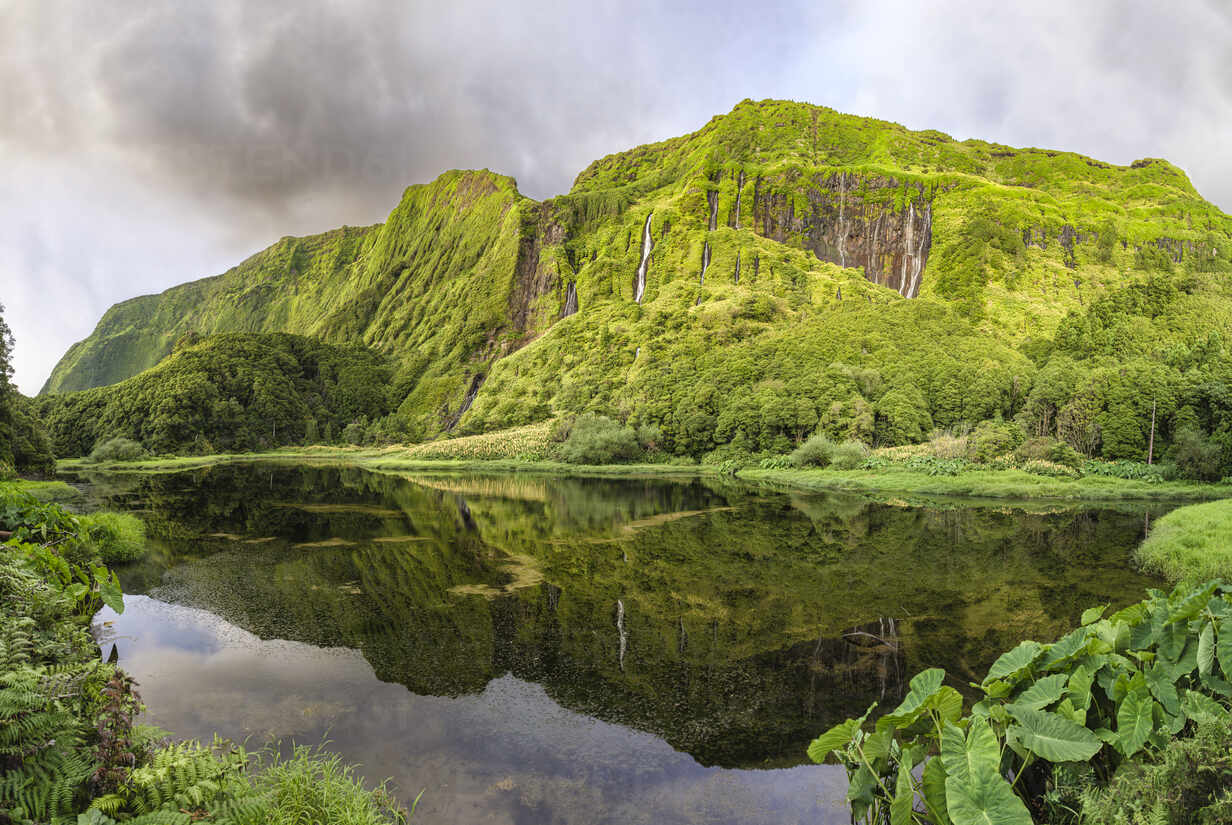
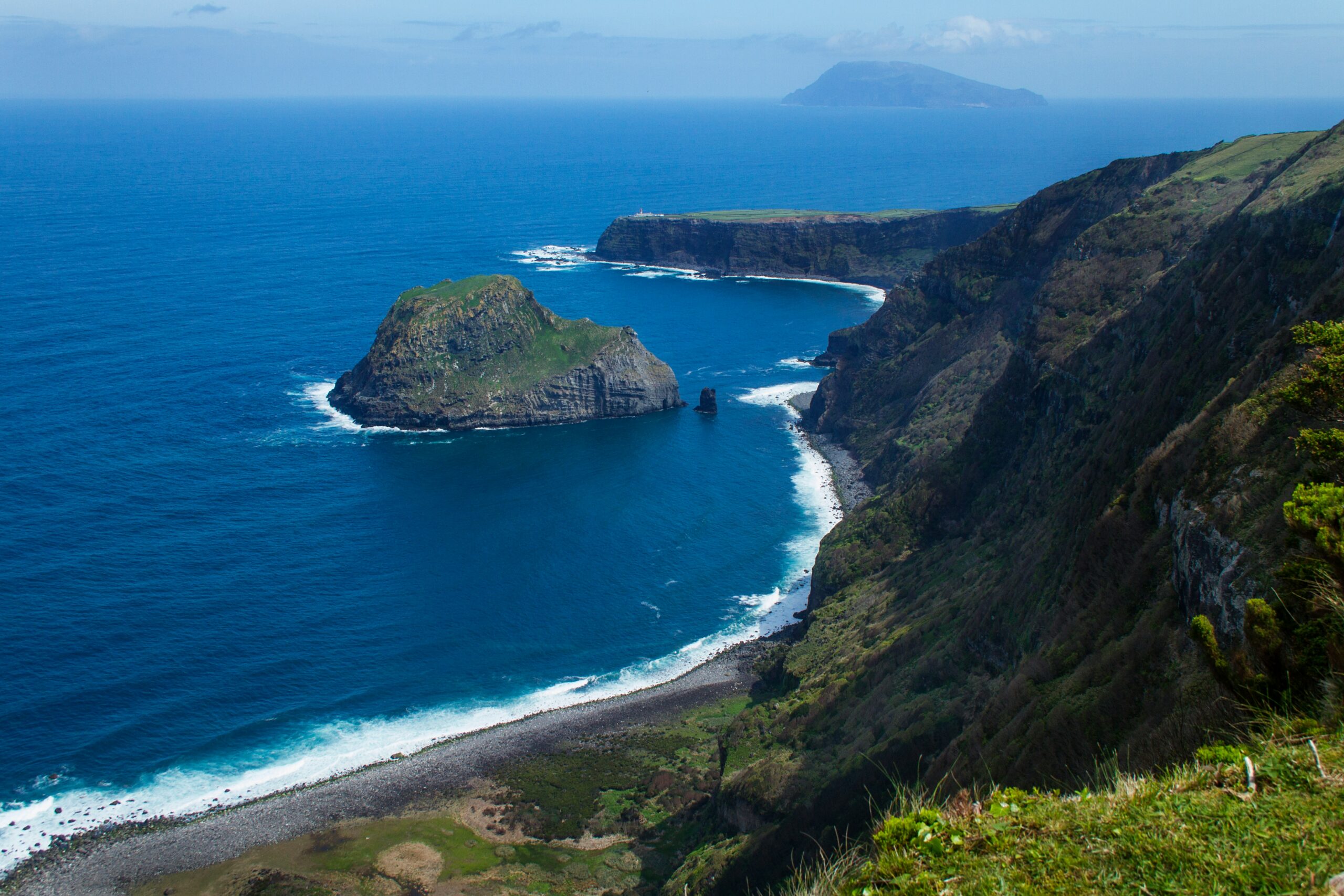
Azores weather throughout the year
In the Azores we say that in a single day you can experience all four seasons. The weather is unpredictable yet mostly stable throughout the year, not too hot and not too cold, however you can expect the summer months to be the warmest, including warmer water temperatures.
Winter (December to February) is the coolest and wettest period. Temperatures range between 14°C and 18°C (57°F–64°F) and sea temperatures sit around 16°C–19°C (61°F–66°F). Rainfall is more frequent but there are still plenty of pleasant days to explore without the crowds.
Spring (March to May) brings warmer temperatures, longer days and gradually decreasing rainfall. Temperatures range from 14°C to 21°C (57°F–70°F) and sea temperatures rise to around 17°C–18°C (63°F–64°F). A popular season for hiking, nature and whale watching.
Summer (June to September) offers the warmest and driest conditions of the year. Temperatures range between 18°C and 27°C (64°F–81°F) and sea temperatures peak at 22°C–24°C (72°F–75°F), making these the best months for swimming, boat tours and outdoor activities.
Autumn (October and November) remains mild, with temperatures between 17°C and 24°C (63°F–75°F). Sea temperatures stay surprisingly warm at 21°C–23°C (70°F–73°F), often making October one of the best months for ocean activities. Rainfall gradually increases as winter approaches.
Seasonal Comparison
Here's a quick overview of what to expect in the Azores throughout the year.
| Season | Air Temperature | Sea Temperature | Best For |
|---|---|---|---|
| Winter (Dec–Feb) | 14–18°C (57–64°F) | 16–19°C (61–66°F) | Quiet travel, sightseeing and avoiding crowds. |
| Spring (Mar–May) | 14–21°C (57–70°F) | 17–18°C (63–64°F) | Hiking, nature, whale watching and longer days. |
| Summer (Jun–Sep) | 18–27°C (64–81°F) | 22–24°C (72–75°F) | Swimming, boat tours and outdoor activities. |
| Autumn (Oct–Nov) | 17–24°C (63–75°F) | 21–23°C (70–73°F) | Ocean activities, mild weather and fewer visitors. |
Local Insight
When it comes to crowds, the Azores are generally much quieter than most European destinations. Even during the high season, some of the smaller islands may feel almost empty, and you might barely notice the presence of other travellers.
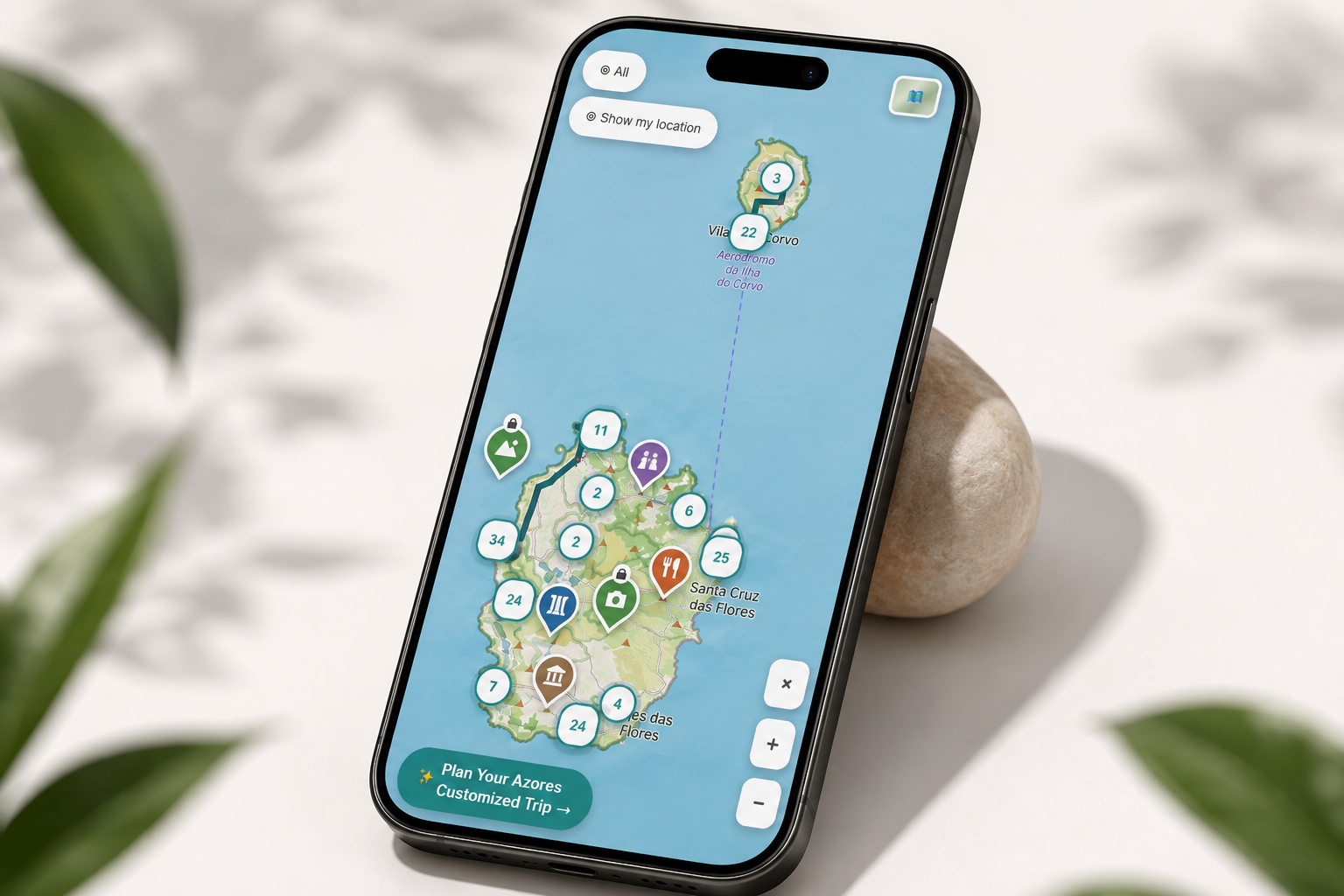
The Places I'd Take My Friends & Family on Flores & Corvo
Flores and Corvo are two of the most untouched islands in the Atlantic but they're small, remote, and easy to miss the best parts of without a guide who actually knows them. I was born and raised on Flores. This map is everything I'd tell a close friend and family before their trip.
- ✓ Over 170 hand-picked locations
- ✓ The viewpoint most visitors drive past without knowing what they've missed
- ✓ The cafés and restaurants where locals actually eat (not the ones on Google Maps)
- ✓ Personal notes on timing, parking, difficulty level and whether each spot is suitable for older or less mobile travelers
Explore it free — no signup required.
Explore the Free Interactive Guide →Curated by Fabio - I grew up on Flores. These are the places I still think about.

Who I Am
Learn More About MeTravel Inspiration & Local Tips
Discover local guides, insider advice and practical resources to help you plan an unforgettable trip to the Azores.
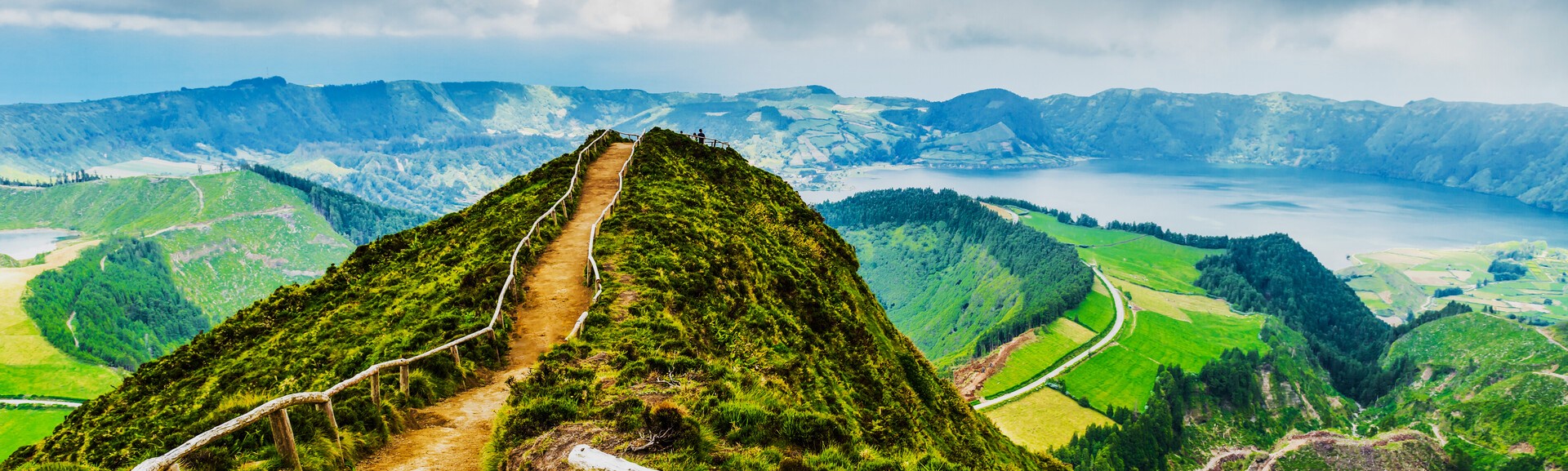
25 Best Things to Do in São Miguel
Discover waterfalls, volcanic lakes, hot springs, scenic viewpoints and unforgettable experiences on the Azores' largest island.
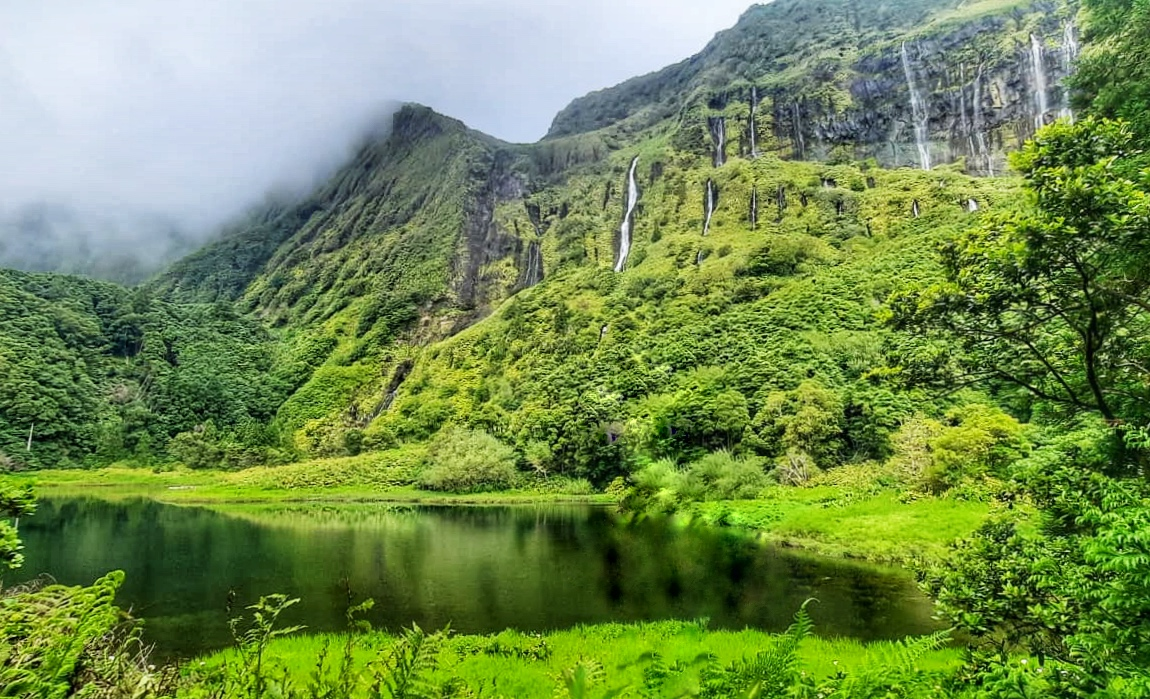
Best Things to Do on Flores Island
Explore dramatic cliffs, hidden waterfalls, charming villages and one of Europe's most breathtaking islands through a local's perspective.

ETIAS for Portugal & Azores
If you're travelling to Portugal from the United States or Canada, there's one new requirement you'll need to be aware of before your trip.
Free Azores Island Matching Tool
Which Azores islands should you actually visit?
Answer a few simple questions and discover the islands that best match your travel style, interests and trip length.
- Your best-matched Azores islands
- Recommended order and suggested days
- Practical considerations for your trip
Takes about 2 minutes