Things to do in the azores
A Local´s Guide to the Islands
 Written by Fabio Filipe · Azores Unlocked
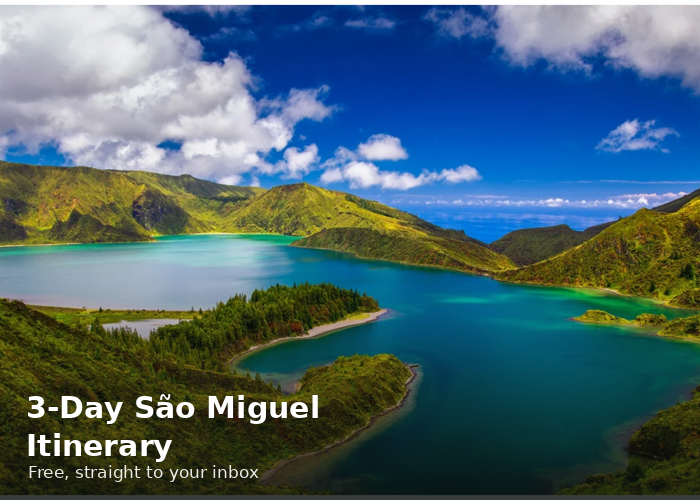
Not Sure Where to Start in São Miguel? Get My Free 3-Day Plan
Discover waterfalls, volcanic lakes, natural hot springs and authentic local experiences with a real 3-day plan for São Miguel, built by someone who grew up on the islands, not a generic list from a travel blog.
- ✓Top viewpoints and scenic drives, including ones most travelers miss.
- ✓Where locals actually eat, not just the obvious tourist spots.
- ✓A custom Google Map with every stop already plotted.
- ✓100% free. No commitment required.
Sent to your inbox within minutes. No spam, unsubscribe anytime.
Let's Get Started
I remember being a child and never noticing tourism because, in fact, tourism had very little existence. However, this has changed over the past 20 years. It is not just because I am from the islands of the Azores, which makes me believe it is a magical place, and despite the fact that the region is small, composed of only nine islands, there are plenty of experiences and things to do in the Azores that are guaranteed to stay with you forever.
The quality of what the Azores has to offer in terms of nature, sightseeing, water and outdoor activities, gastronomy and culture is something not seen in many destinations, and this is something the Azores strives to preserve and offer to each visitor.
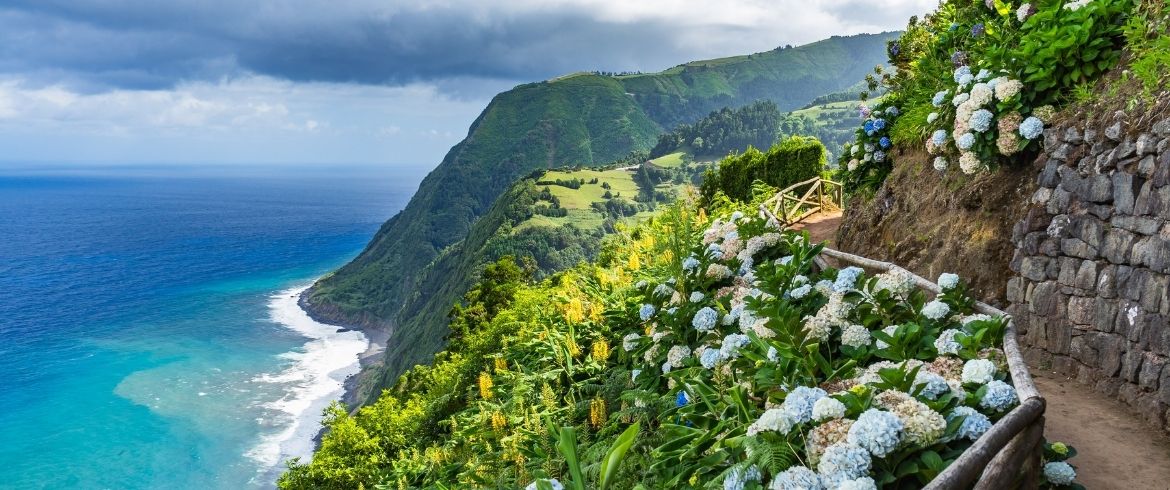
What are best things to do in the Azores?
There are many things to plan for and experience in the Azores, but what you choose to do will depend on your preferences, budget, the islands you visit, and the time of year you travel. If you'd like to learn more about the different seasons and when to visit, read my article on Best Time to Visit the Azores .
Independently of your travel style, there are must-dos when planning your trip to the islands, such as exploring nature and different viewpoints, which are usually distributed across hundreds of spots around the islands, trying local gastronomy in the many restaurants available, experiencing the local culture by participating in a local activity or even a local party or celebration, and enjoying indoor, outdoor or water activities, which are part of the essence of Azorean life. At the end of the day, the best things to do in the Azores will differ from person to person.
Must-see places in the Azores: Top Recommendations by Region
There are many must-see places in the Azores, depending on the island you are visiting. Here are some of my personal recommendations, organised by region.
Eastern Azores
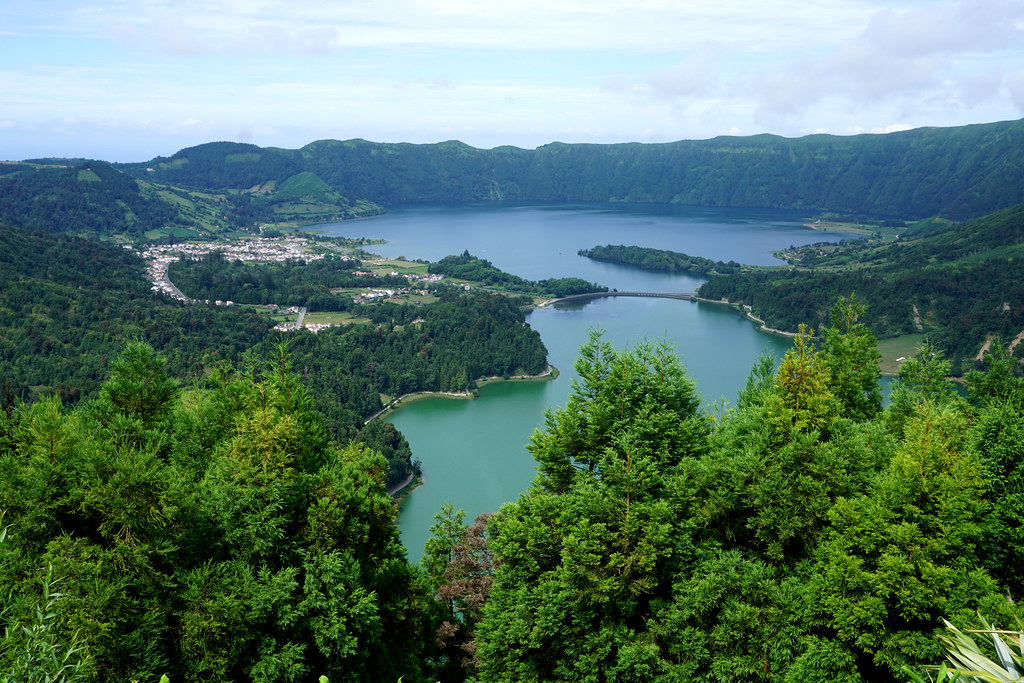
Starting with the Eastern Azores (São Miguel and Santa Maria), I always strongly advise visiting the famous Sete Cidades, Lagoa do Fogo, Ilhéu de Vila Franca do Campo, and the Gorreana Tea Plantation in São Miguel, as well as Baía de São Lourenço and Praia Formosa in Santa Maria. With the exception of the Gorreana Tea Plantation, all of these are natural attractions that will definitely leave a mark on your trip to the Azores.
Central Azores
Moving to the Central Azores, in Terceira you should visit Algar do Carvão and the historic city of Angra do Heroísmo. In Graciosa, the highlights are Furna do Enxofre and Serra Branca. When visiting São Jorge, explore Fajã da Caldeira de Santo Cristo and the island's fajãs in general. In Pico, visit the UNESCO-listed vineyards in the Madalena district and, if possible, climb Portugal's highest mountain. Finally, in Faial, make sure to visit the Capelinhos Volcano and explore the city of Horta and its marina.
Western Azores
Lastly, in the Western Azores, Flores is home to the iconic Poça da Alagoinha and numerous breathtaking waterfalls along the island's west coast. In Corvo, don't miss the charming village—the island's only settlement—and the spectacular Caldeirão crater.
What are the Best Things to Do in the Azores?
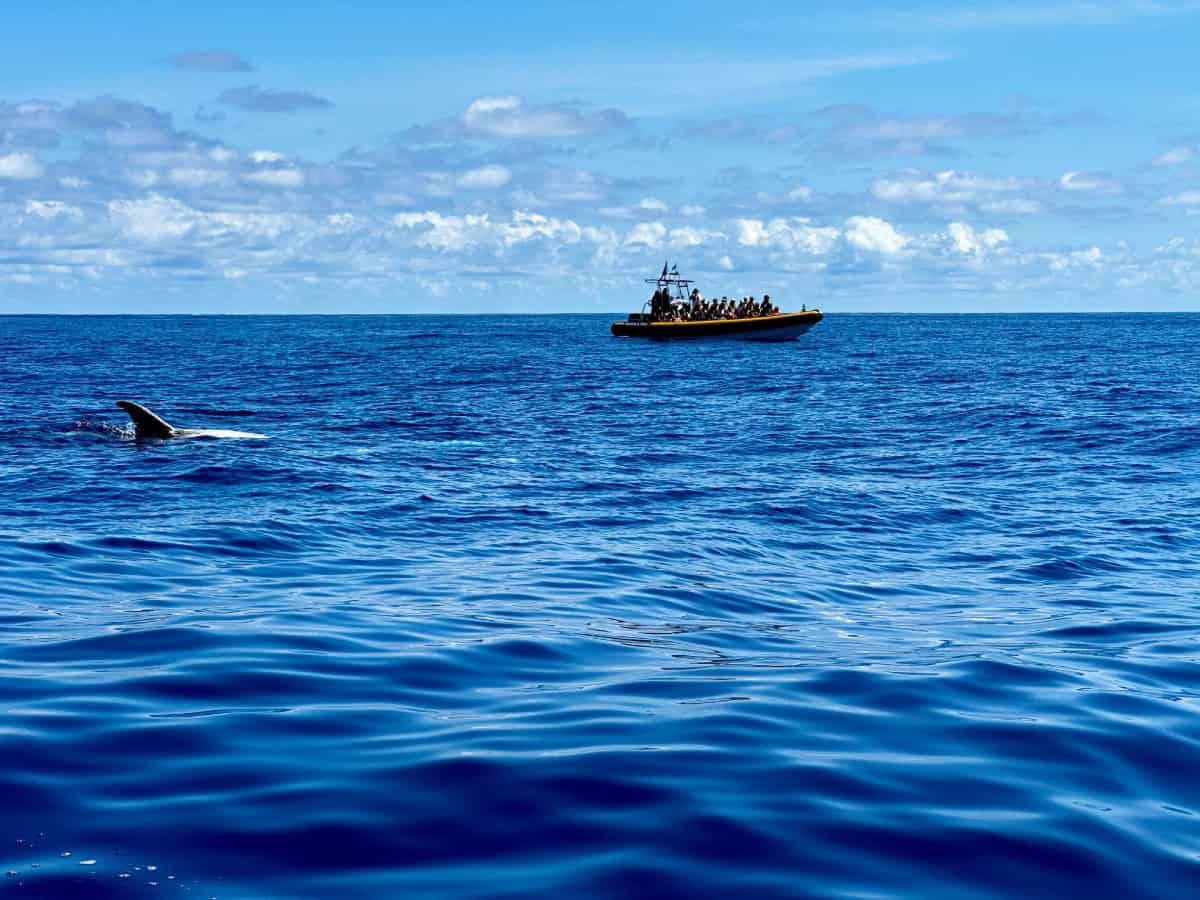
The Azores offer an incredible variety of outdoor experiences, from scenic hiking trails and dramatic viewpoints to whale watching, boat tours, and adrenaline-filled adventures. Whether you're looking for relaxation or adventure, there's something for everyone.
Trails
There are several trails on each island, with different difficulty levels, lengths, and scenery, all of which can be found on the official DMO website of the Azores at trails.visitazores.com. Hiking is one of the best ways to experience the islands' volcanic landscapes, waterfalls, forests, and coastlines.
Whale Watching & Boat Tours
Whale watching is best experienced between April and June, when sightings of sperm whales and dolphins are most common. Tours operate from several islands, including Pico, Faial, Terceira, and São Miguel.
Boat tours are also available throughout the archipelago. Whether you choose a coastal excursion, sea cave tour, or an inter-island ferry crossing, you'll discover spectacular scenery that simply can't be seen from land.
Canyoning
Canyoning has become one of the Azores' most popular adventure activities. Descend waterfalls, jump into crystal-clear pools, and explore hidden canyons with experienced local guides. Routes are available for both beginners and experienced adventurers.
Sightseeing & Viewpoints
Exploring the Azores also means discovering countless viewpoints overlooking volcanic craters, waterfalls, dramatic coastlines, and the Atlantic Ocean. Nearly every island offers spectacular panoramas, making scenic viewpoints one of the highlights of any visit.
Experience Azorean Gastronomy
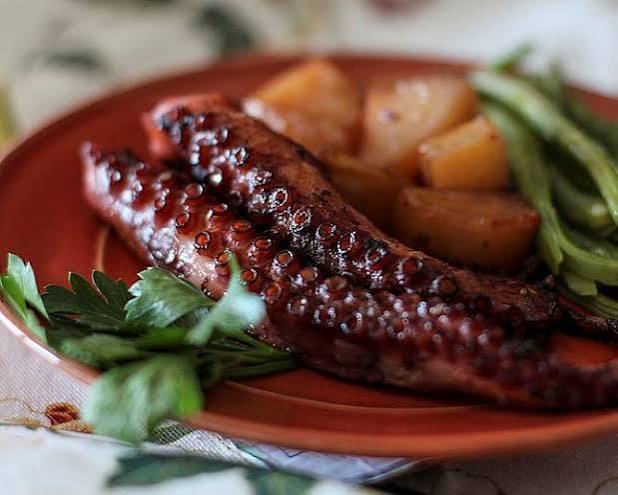
Azorean cuisine reflects the islands themselves: simple, authentic, and deeply connected to nature. From fresh seafood and grass-fed beef to volcanic cooking and locally produced wine, every island has something unique to offer.
Limpets (Lapas)
If you enjoy seafood, grilled limpets are a must-try. Cooked directly on their shell with butter, garlic, and lemon, they're one of the Azores' signature dishes.
Octopus (Polvo)
Slow-cooked until incredibly tender, Azorean octopus is often served with potatoes and olive oil, creating one of the region's most traditional comfort foods.
Bife Regional
The famous Azorean steak comes from cows raised on lush volcanic pastures, producing exceptionally tender and flavourful beef.
Cozido das Furnas
Exclusive to São Miguel, this traditional stew is cooked underground using natural geothermal heat for several hours, giving it a distinctive flavour found nowhere else.
Alcatra
Terceira Island's signature slow-cooked beef stew, prepared with wine, spices, and served during many traditional celebrations.
Boca Negra & Chicharros Fritos
Two excellent local fish that showcase the freshness of Azorean seafood and are commonly found in traditional restaurants.
Ananas dos Açores
The famous Azorean pineapple is grown inside greenhouses on São Miguel, producing a sweeter and more aromatic fruit than most imported varieties.
Queijadas da Graciosa
A traditional pastry made with fresh cheese, eggs, and sugar that has become one of Graciosa Island's best-known desserts.
Queijo de São Jorge
One of Portugal's finest cheeses, aged for several months to develop its distinctive spicy flavour.
Verdelho do Pico
Wine produced on Pico Island's UNESCO-listed volcanic vineyards, famous for its mineral character and unique growing conditions.
Kima & Laranjada
Two iconic soft drinks produced locally on São Miguel and enjoyed by generations of Azoreans.
Gorreana Tea
Europe's oldest and only remaining tea plantation still produces exceptional green and black teas, and visitors can tour the factory and tea fields free of charge.
Local Tip
The Azores may be a small destination, and on some islands you might notice that the number of visitors is much lower than in other European destinations. However, I always recommend booking a table or contacting the restaurant in advance, especially during the summer months, to ensure you don't miss out on dinner.
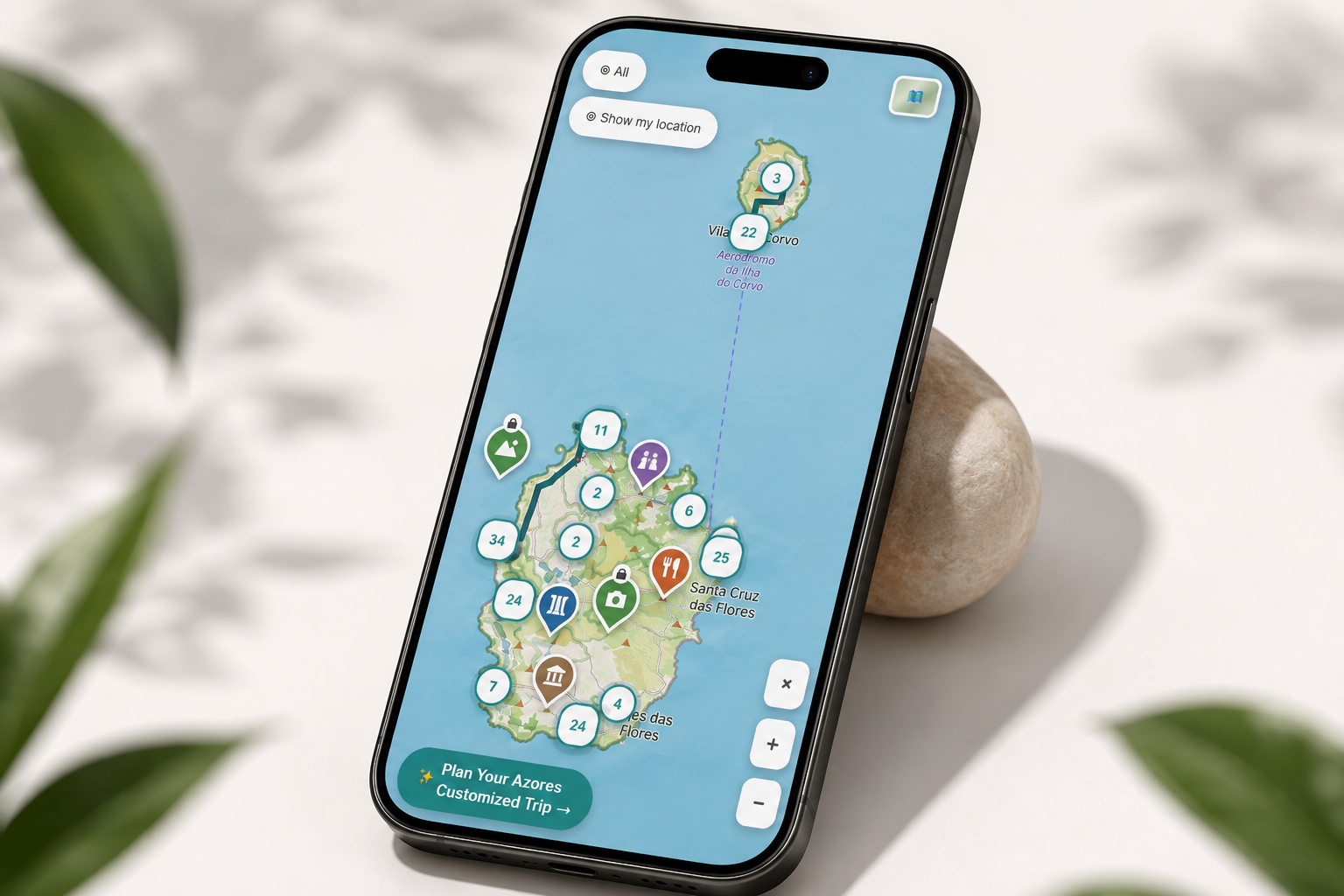
The Places I'd Take My Friends & Family on Flores & Corvo
Flores and Corvo are two of the most untouched islands in the Atlantic but they're small, remote, and easy to miss the best parts of without a guide who actually knows them. I was born and raised on Flores. This map is everything I'd tell a close friend and family before their trip.
- ✓ Over 170 hand-picked locations
- ✓ The viewpoint most visitors drive past without knowing what they've missed
- ✓ The cafés and restaurants where locals actually eat (not the ones on Google Maps)
- ✓ Personal notes on timing, parking, difficulty level and whether each spot is suitable for older or less mobile travelers
Explore it free — no signup required.
Explore the Free Interactive Guide →Curated by Fabio - I grew up on Flores. These are the places I still think about.

Who I Am
Learn More About MeTravel Inspiration & Local Tips
Discover local guides, insider advice and practical resources to help you plan an unforgettable trip to the Azores.
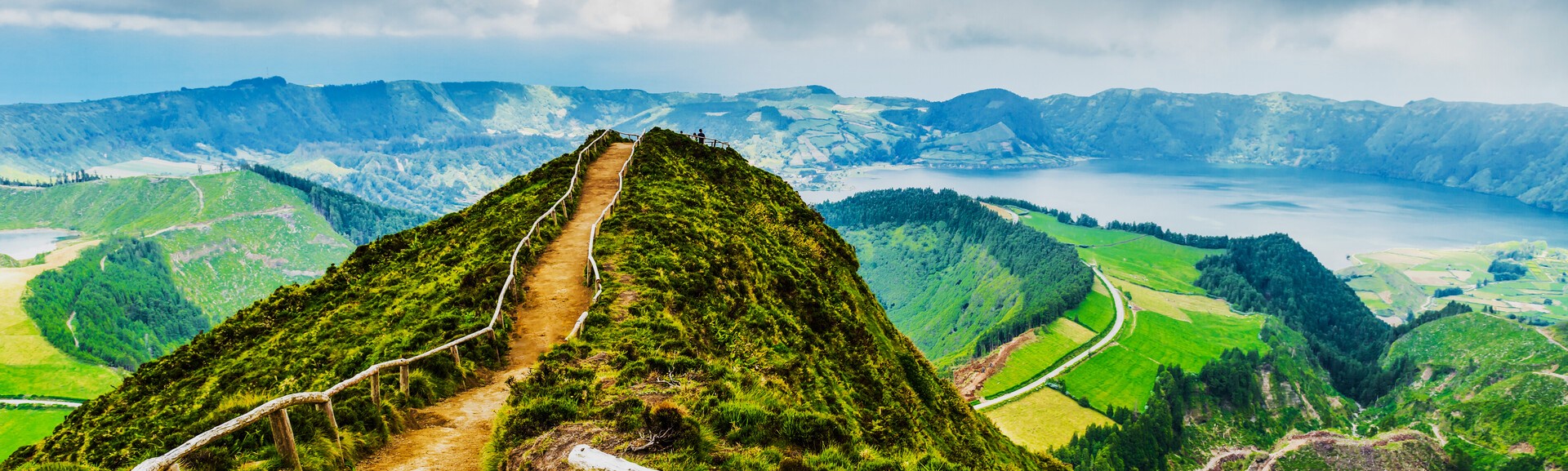
25 Best Things to Do in São Miguel
Discover waterfalls, volcanic lakes, hot springs, scenic viewpoints and unforgettable experiences on the Azores' largest island.
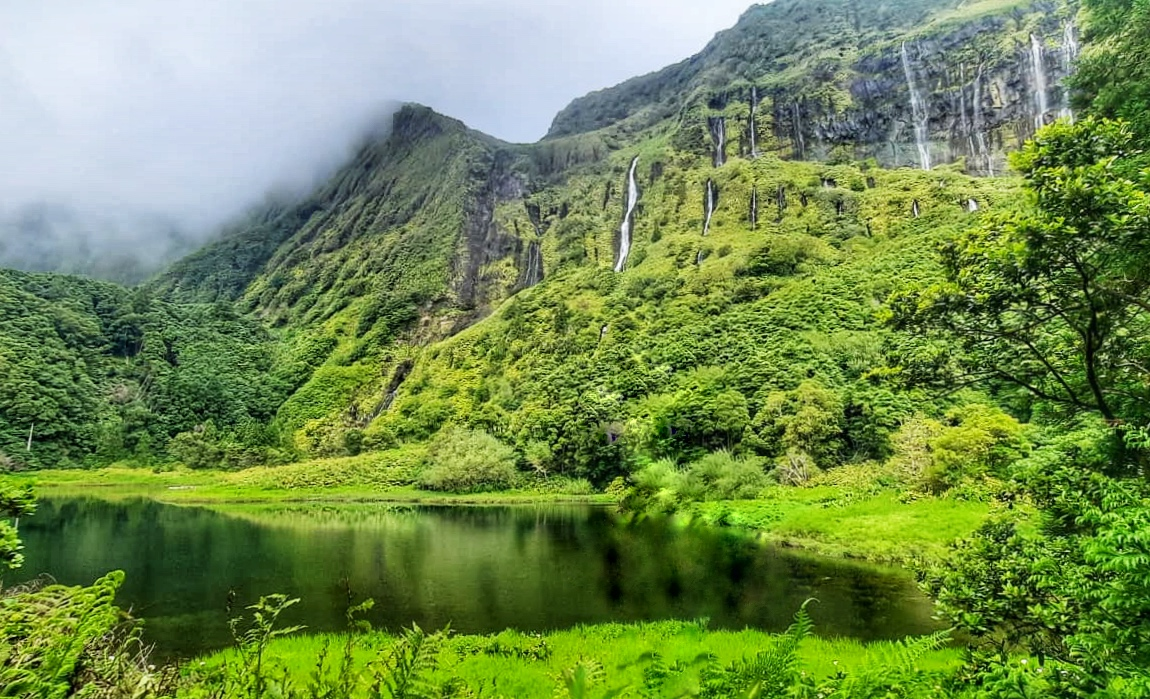
Best Things to Do on Flores Island
Explore dramatic cliffs, hidden waterfalls, charming villages and one of Europe's most breathtaking islands through a local's perspective.
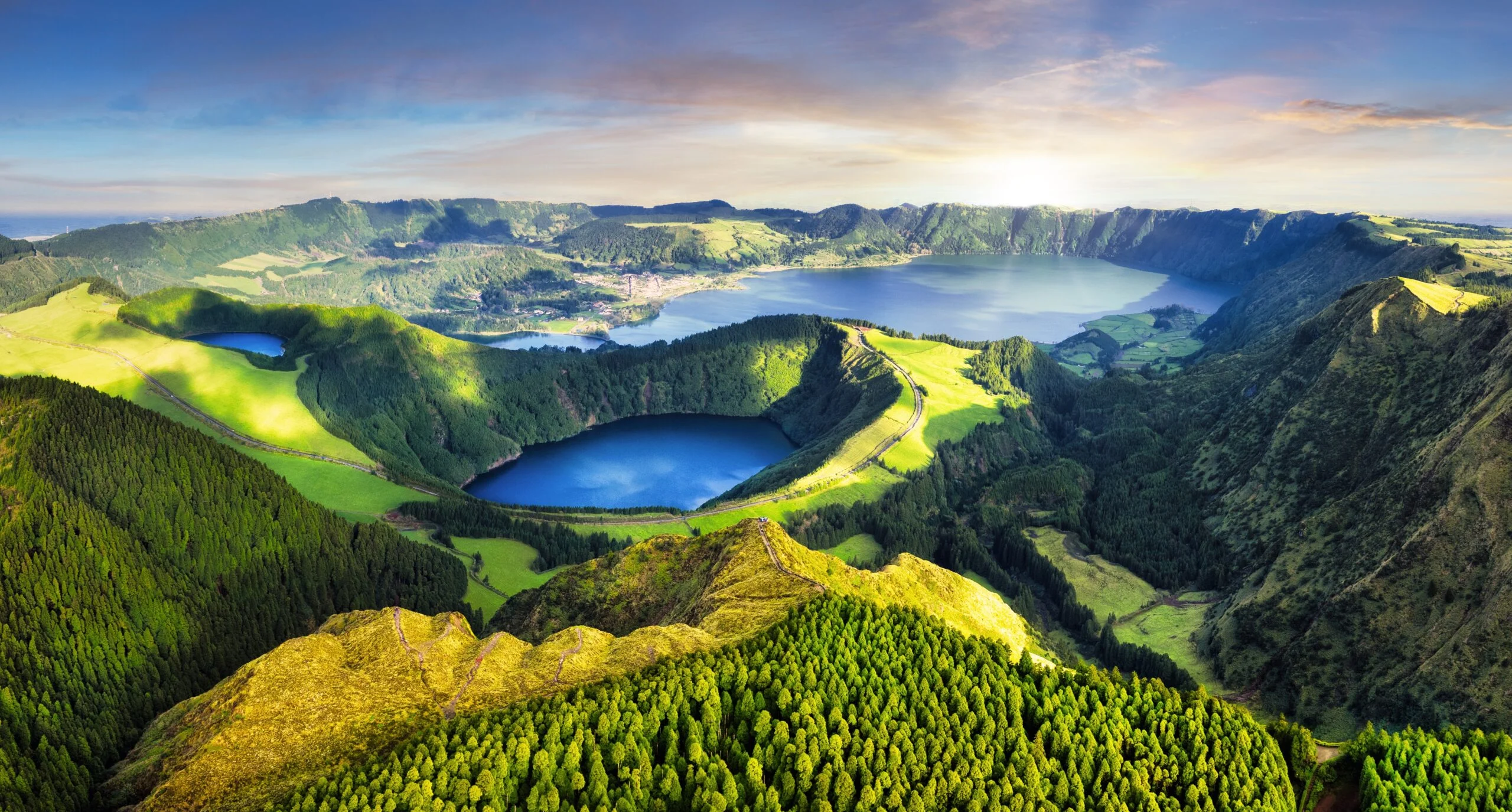
Best Time to Visit the Azores
Find the perfect season for hiking, whale watching, hydrangeas, swimming and experiencing the islands at their very best.